Why Your Lawn Struggles Even With Fertilizer

Healthy turf begins below the surface. Learn how soil structure, root depth, and biology
influence lawn health.

Understanding the Foundations of Healthy Turf
Healthy turf begins with understanding the type of grass growing in your lawn.
Most grasses fall into two categories:
Cool-season grasses: Thrive in cooler climates and grow most actively in Spring and Fall.
Examples include Kentucky bluegrass, ryegrass, and fescues.
Warm-season grasses: Prefer heat and grow most actively in Summer months.
Examples include Bermuda, Zoysia, and St. Augustine.
You can often identify grass type by observing color, growth pattern, and leaf texture.
Understanding your turfgrass type helps guide mowing height, fertilization timing,
and watering practices.
Soil Health and Testing
Healthy turf begins below the surface. Soil testing reveals important information about
nutrient levels, PH balance, and organic matter.
Key steps include:
Collecting soil samples
Sending samples to a soil lab for analysis
Adjusting soil with amendments such as lime, sulfur, or nutrients based on results.
Improving soil health creates stronger turf that naturally resists stress, pests, and disease.
Smart Water Management
Water deeply but infrequently to encourage deep root growth.
Water early in the morning to reduce evaporation and disease pressure.
Watch for signs of stress.
Underwatering: grass appears wilted or dull gray-green.
Overwatering: shallow roots, fungal disease, and soft turf.
Proper Mowing Practices
Mowing is one of the most important - and most overlooked - aspects of lawn health.
Best practices include:
Maintain proper growing height for your grass species.
Never remove more than 1/3 of the leaf blade at one time.
Keep mower blades sharp to reduce plant stress.
Healthy mowing practices encourage dense turf that helps suppress weeds naturally.
Fertilization Strategies
Fertilizers supply nutrients that support healthy turf growth.
Common forms include:
Granular fertilizers - slow release and easy to apply.
Liquid fertilizers - fast acting and precise.
Apply fertilizer during active growing seasons and always follow recommended
application rates.
Integrated Pest Management (IPM)
Healthy turf management uses an Integrated Pest Management (IPM) approach.
IPM focuses on:
Monitoring turf conditions regularly
Improving cultural practices like mowing, watering, and soil health.
Using targeted treatments only when necessary.
This approach reduces unnecessary pesticide use while maintaining healthy
turf systems.
Aeration and Overseeding
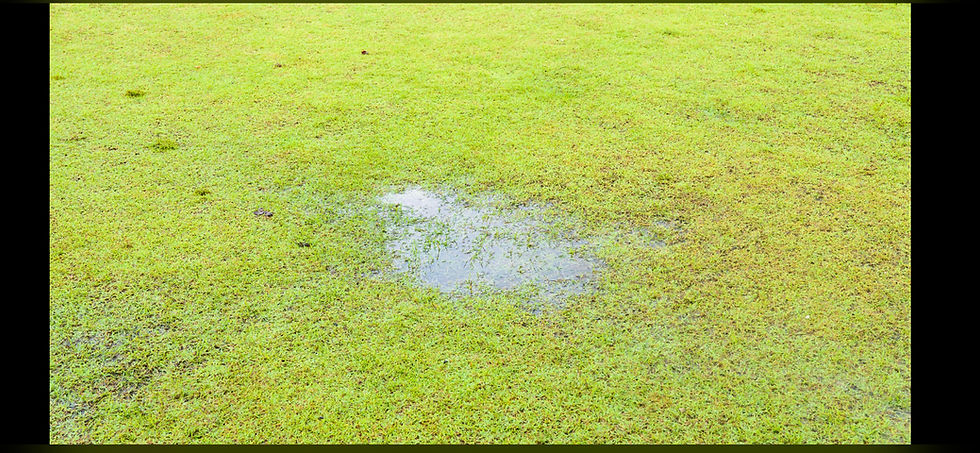
Over time, soil becomes compacted which limits root growth and water movement.
Core aeration helps relieve compaction and improves oxygen flow to roots.
Seasonal Lawn Care Overview
Different seasons require different turf management strategies.
Spring
Fertilization
Early weed control
Summer
Proper watering
Adjust mowing height
Fall
Aeration
Overseeding
Fertilization
Winter
Limit foot traffic on dormant turf
Plan for the next growing season
Conclusion
Healthy turf grass is the result of balanced management practices.
By understanding your grass type, improving soil health, managing water properly, and
applying Integrated Pest Management principles, homeowners can build stronger and
more resilient lawns.
Healthy turf is not created overnight - it develops through consistent care and informed decision making.
Small improvements over time lead to lasting results.
About North Star IPM Solutions
North Star IPM Solutions provides educational resources and turf management insights
focused on sustainable lawn health and Integrated Pest Management practices.
Our mission is to help homeowners and turf professionals make smarter decisions for
healthier landscapes.
Our Turf Management Principles
Healthy turf is not achieved through quick fixes. It develops through balanced management
practices that support the entire turf system.
At North Star IPM Solutions, our approach is guided by several key principles:
Soil first - Healthy soil creates stronger turf.
Proper cultural practices - Mowing, watering and timing matter.
Observation before action - Monitor conditions before applying treatments.
Integrated Pest Management - Use targeted solutions only when necessary.
Long - term lawn health - Focus on sustainability rather than short - term results.
By focusing on these principles, homeowners and turf professionals can build lawns that
are resilient, healthy, and environmentally responsible.
Learning how turf systems work is the first step toward building a healthier, more
resilient lawn. North Star IPM Solutions is dedicated to helping homeowners and professionals better understand the science behind healthy turf grass.
Comments