Why Your Grass Looks Worse Before It Gets Better: (Spring Lawn Recovery Guide)

If your lawn looks thin, yellow, or weak in early Spring, it's easy to assume something is wrong. But in many cases, your lawn isn't failing - it's transitioning.
Understanding what's happening below the surface is the key to proper recovery.
Learn why your lawn looks thin, yellow, or weak in early spring - and how soil health, root
development, and timing determine real recovery.
Introduction
Every spring, homeowners look at their lawn and think something is wrong. The grass looks thin, pale, or patchy—even after fertilizing. But in many cases, the lawn isn’t failing. It’s recovering.
Understanding what your lawn is actually going through in early spring is the first step toward building long-term turf health.
⸻
1. Your Lawn Is Waking Up, Not Thriving Yet
Grass doesn’t immediately grow strong when temperatures rise. Early spring is a transition period where roots are reactivating and energy is being redistributed. What you see above ground doesn’t reflect what’s happening below the surface.
⸻
2. Winter Leaves Behind Stress Signals
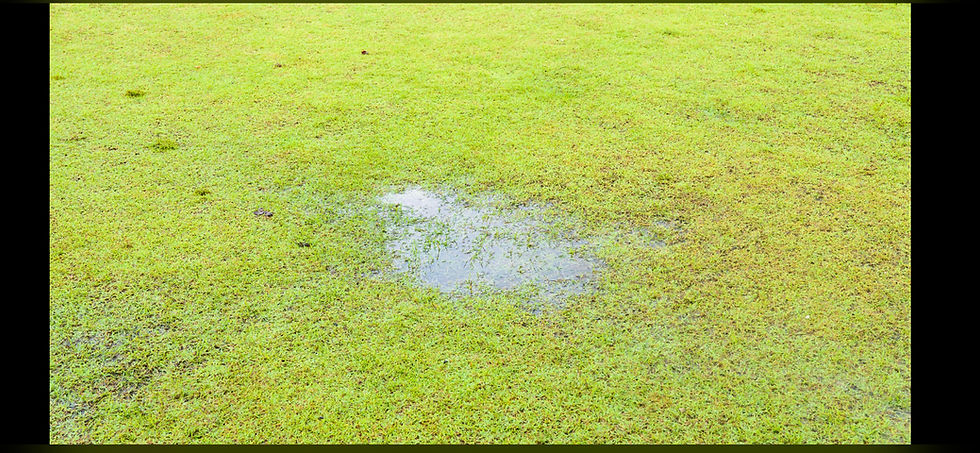
Snow mold, compaction, matted grass, and poor drainage can all show up in early spring. These aren’t new problems—they’re conditions that developed over time and are now being revealed.
⸻
3. Fertilizer Isn’t the First Step
Applying fertilizer too early can actually create more stress. If roots are weak or soil is compacted, the grass can’t properly use nutrients. This often leads to uneven growth or worsening appearance.
⸻
4. Soil Conditions Control Recovery
Healthy recovery depends on:
• Oxygen in the soil
• Water movement
• Root depth
• Microbial activity
If these are limited, recovery slows down no matter what products are applied.
⸻
5. What You Should Focus On Instead
• Light raking to remove debris
• Observing drainage and puddling
• Checking for compaction
• Allowing natural recovery before intervention
⸻
The Bottom Line:
If your lawn looks worse in early spring, it doesn’t mean it’s failing—it means it’s telling you something.
👉 If you want to understand exactly what your lawn is showing you, download the free NorthStar Lawn Health Guide below.
Download The Free Lawn Health Guide Here (PDF)

Comments