Why Fertilizer Doesn’t Fix Your Lawn (And What Actually Does)

Most homeowners are told the same thing when their lawn struggles:
“Just add more fertilizer.”
But what if that’s not the real problem?
You can water your lawn regularly, apply fertilizer, and still end up with thin, weak, or stressed grass. That’s because the issue often isn’t what you’re putting on the lawn — it’s what’s happening underneath it.
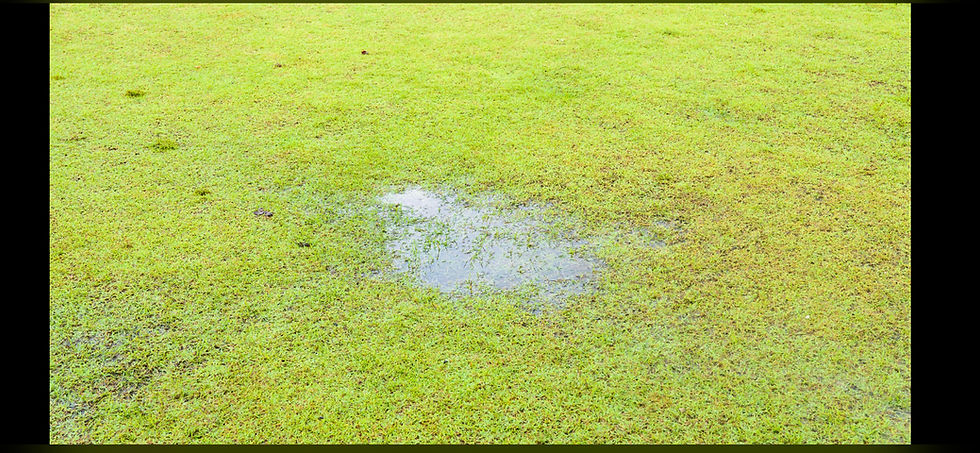
Over time, soil becomes compacted. When that happens, air can’t reach the roots, water can’t move properly, and nutrients can’t be absorbed efficiently. The grass may look like it needs more fertilizer, but in reality, it’s unable to use what’s already there.
This is why adding more fertilizer doesn’t fix the problem — and in some cases, it can actually make things worse.
Think of it like this:
If roots can’t breathe, they can’t function.
And if they can’t function, the entire lawn suffers.
This is where most lawn care advice goes wrong. It focuses on feeding the lawn without first understanding whether the lawn can actually take in what it’s being given.
The real solution starts below the surface.
Improving soil structure, reducing compaction, and creating an environment where roots can grow deeper and stronger is what leads to long-term results. Once the soil is healthy, everything above it begins to respond.
You’re not doing it wrong — you’re just starting in the wrong place.
Fix the soil first, and everything else starts to fall into place.
If you want to understand what’s really happening under your lawn:
👉 Download the free NorthStar Lawn Health Guide:

Comments